
Finished the full core rules manuscript this week. 30K words, without the Quick Reference Section, which is hefty. I’m waiting on the remaining illustrations so I can start the layout. In the meantime, I began to mull over what kind of game Scrapjacks actually is.
A tabletop miniature wargame, right? Sure. But despite the very real hazards and hostiles, and cool minis going all CQB in confined sci-fi environments, I have to admit ‘cooperative, deep space salvage’ sounds more like work than war.
But Scrapjacks isn’t just the daily grind – in space. Games get tense and even cinematic very quickly.
Tense because whether it’s the hazardous environment, lurking enemies, or a dwindling Aircharge supply, (oxygen + power) the lure of valuable salvage pulls your crew onward even as the pressure pushes them to leave.
Cinematic because of the hard choices players made as they cleared the wreck. Just because crew mates can be replaced doesn’t mean they’re expendable. Pulling a friend to safety in the face of a swarm of rogue security droids rather than grabbing just one more crate of stuff is more valuable, more memorable, in the long run.
The game is less about individual champions and more about capable people figuring how to beat the odds and wring loot from an increasingly dangerous situation. Of course a tidy profit and cool gear are nice, but victory means getting out on your own terms. The combat, the work, the loot don’t make you a hero – your decisions do.
In Scrapjacks, everything wants to kill you – the job site and the locals. The game is really ‘blue-collar heroics’, where in spite of all that, tough, competent people suit up, square off, make good calls, and walk out alive.

Better Ships make Better Crews
Game economy is another difference. In Scrapjacks, advancement isn’t measured in experience points. Crew size, equipment access, and individual advancements are determined by the class of recovery vessel the crew operates: Class C Tug, Class B Cutter, or Class A Herc.
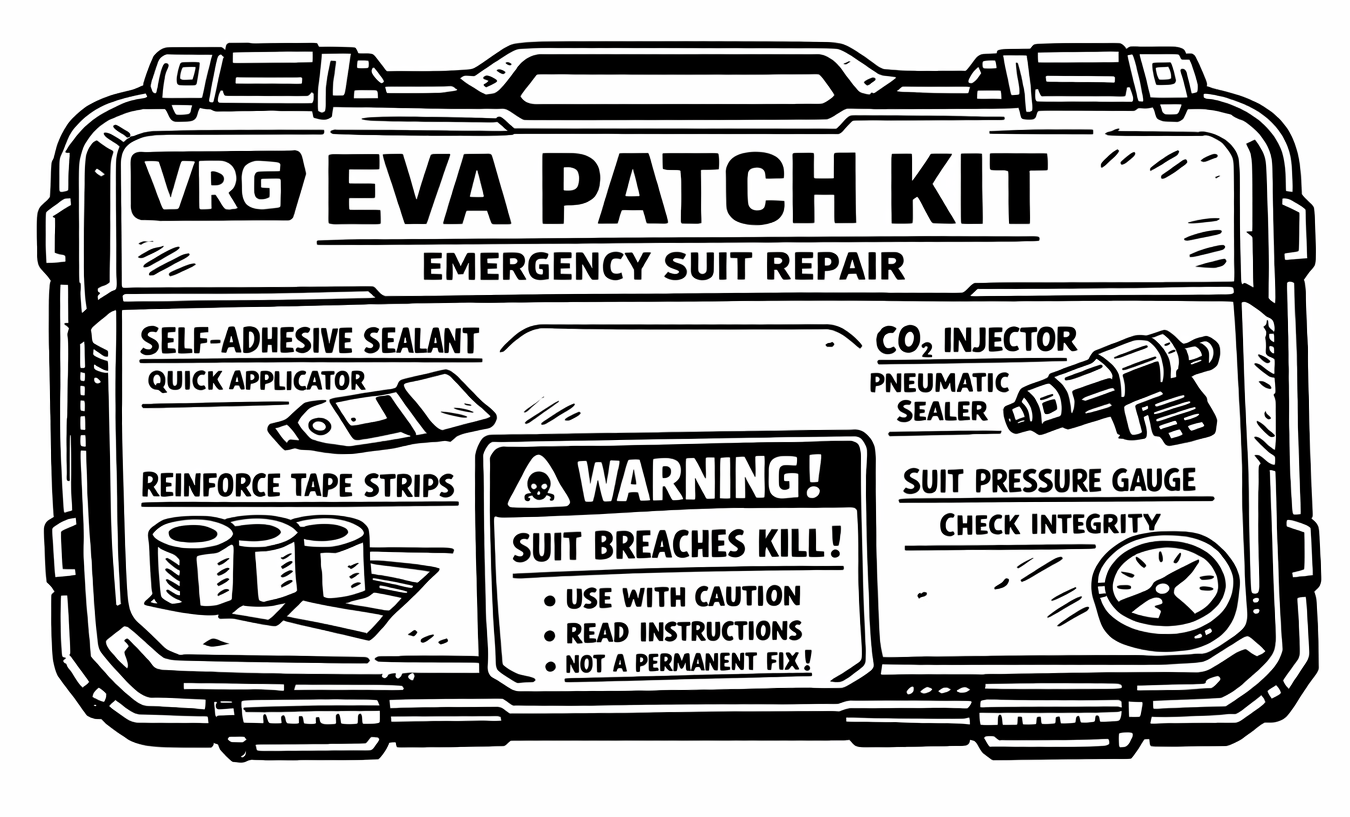
Everything from new skills to weapons training, automated supply sleds to support droids depends on your ship. Upgrade your lease, upgrade your capabilities. Vaststar will want a fee for the lien transfer, and more credits per job, but deeper levels on a wreck hold greater rewards. And you certainly won’t get down there with just your Workskin EVA Suit and a Wrecking Bar.

A crew’s ultimate goal is Retirement – a comfortable life, preferably far from corporate oversight – but in the meantime, profit from salvage jobs goes toward leasing a higher class ship where increased capacities put them one step closer to that Big Score.
Gun Crawl
Under the sci fi setting, Scrapjacks is a dungeon-crawl; a party moves from one defined area to the next, fighting monsters and gathering loot, all while tracking valuable resources. Here, it’s malfunctioning droids and nanite-infested staff rather than spiders and zombies, air and power instead of torches or lamp oil.

Speaking of dungeons, in my experience, single-file halls and narrow corridors bottle neck game play and waste table time. (There, i said it.) The idea of multiple 12″ x 12″ MHU (Modular Hab-Units or Mews) layouts was a quick, easy way to offer distinct areas that were large enough to allow meaningful search, maneuver, and combat. All in a reasonably small footprint; an entire Level of 6 MHU is 24″ x 36″.
If the thought of clearing a Kill House in Space, room by room, is too fussy for some, there are optional rules to run salvage operations in a single, large area like a central hab-dome or massive landing bay.
Action Commitment
I think the biggest change in Scrapjacks is the subtlest one; linking the standard D6, D8, D10 action dice pool to Vitals and Vital-related actions.
A Scrapjack’s core attributes—Load, Focus, and Grit— are collectively labeled Vitals. Each Vital governs a category of action: physical effort, mental tasks, or endurance under pressure. Previously, the D6, D8, D10 action dice could be used to attempt any action. (I’m talking Exploit Zero, Nightwatch, Insurgent Earth, and When Nightmares Come) Now each die type is associated with one Vital and its related kind of action.
Player models still get a Free Move and the Two Dice Bonus is still in effect for benefits related to their training, but deep space salvage work demands a character conserve energy and commit to a course of action. That’s part of the setting. Part of the pressure.
When activated, each Vital die can be used once to attempt a pertinent action, an action in its category and no other.
If a player finds themself in a bind, needing another Load or Focus action on their turn, they can always Push. (Grit roll) Succeed, they immediately get their Free Move and Vital Dice back so they can reactivate. All it costs is 1 Aircharge.
Of course if the player fails their Grit roll, the Aircharge is still deducted from the crew’s supply. Who said deep space salvage work was easy?
Bottom Line
Scrapjacks isn’t about meaningless work – it’s about meaningful risk. It’s about being competent in a tough situation, in a hostile universe, and still choosing to act. It’s about you and your fellow Scrapjacks standing up in the face of danger, and deciding what kind of crew you’re going to be.

That’s all for now. Have a good one.
Remember the SCRAPJACKS QUICK START GUIDE is Free at WargameVault.
Or you can check out Exploit Zero, Nightwatch, Insurgent Earth and a number of other games and supplements here.
Interested in Stalker7 Games and Stories?
Sign up for the S7 quarterly newsletter and receive special scenarios, exclusive content, and information on upcoming releases.
Thanks and Good Hunting.


Leave a Reply